
SaaS Product Strategy
Market context, target user, core value proposition, positioning, competitive differentiation and the business model that makes the product viable long term.
SaaS Product Strategy & Development
A great product idea is not enough. FIFTH helps founders validate it, architect it, design it, build it and take it to market — so you launch a SaaS product your users understand, want and pay for.
Most SaaS products fail not because of poor technology, but because of poor strategy. They are built before the problem is clearly defined, launched before the positioning is clear, and priced before the market has been tested.
FIFTH approaches SaaS product development as a strategy problem first and a technology problem second. We get precise about what you are building, who it is for, why it is the obvious choice over what already exists, and how the business model works — before we design a single screen.
Then the same team designs, builds and launches it: MVP development, subscription and billing flows, AI features where they add value, and the go-to-market foundation, so the product launches with a real market position.
Market context, target user, core value proposition, positioning, competitive differentiation and the business model that makes the product viable long term.
Market context, target user, core value proposition, positioning, competitive differentiation and the business model that makes the product viable long term.
| Typical development shop | FIFTH as SaaS product partner | |
|---|---|---|
| Starting point | Your feature list or brief | The market, the user and the business model |
| MVP scope | Built as briefed | Challenged and scoped around the riskiest assumptions |
| Design | Screens to match the spec | User journeys, onboarding and subscription flows designed for conversion |
| Launch | Code delivered; go-to-market is your problem | Positioning, launch website and go-to-market foundation built alongside |
| After launch | New quote for every change | Ongoing product, maintenance and growth support |
We build our own SaaS products too, so we approach yours with the same questions we ask ourselves about ZYR and EVST.

A focused engagement to define the market, the user, the product core and the business model before design or development begins.

We define the MVP scope precisely, map the feature architecture and build a phased roadmap that sequences every decision.

We design the UX and UI, map subscription flows and validate the product experience with real users before the scope is locked.

We develop the product, connect the go-to-market foundation and launch with the positioning and narrative in place.
Most businesses split strategy and technology across two teams that don't talk to each other. Fifth Corp carries a strategy from insight through shipped software without a handoff in between.
Proptely, ZYR and EVST were developed by our team, with the same discipline we bring to every client engagement. We measure our work in shipped platforms, not decks.
Agencies pick a lane: brand, or build. Fifth Corp is a Strategy & Technology partner — the positioning work and the engineering work come from the same process, not two vendors you have to translate between.
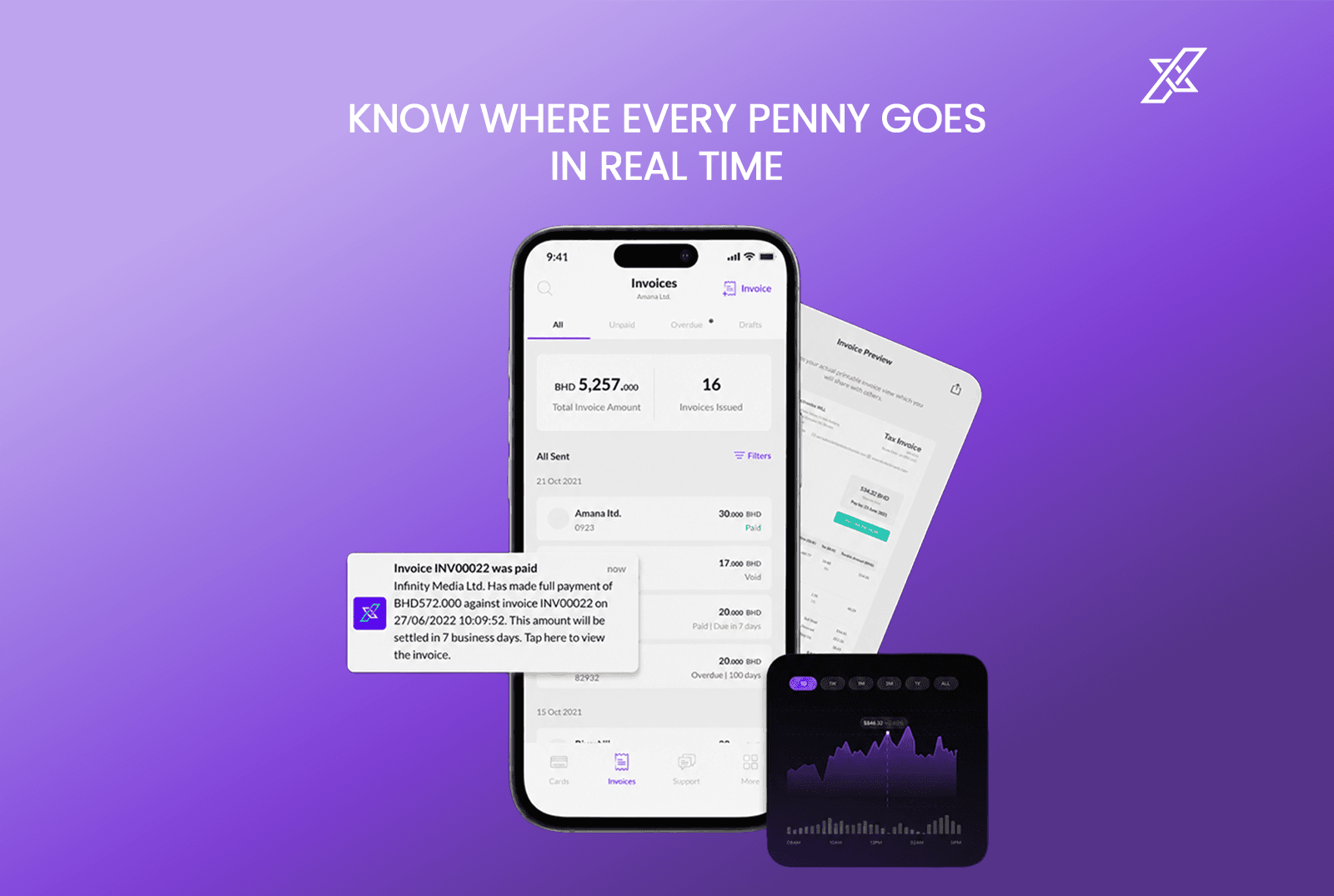
From brand strategy to a full project launch, FIFTH handled it as one connected system. The brand, the website, the social presence, the go-to-market and the lead generation all worked together — which is exactly why the launch landed. They do not hand you pieces; they hand you a machine that runs.
— Saad, Xpence
SaaS product development is the process of turning a software-as-a-service idea into a live, subscription-based product: validating the problem and market, defining the MVP, designing the user experience, building the platform, setting up subscriptions and billing, and launching it to customers.
Both. FIFTH scopes the MVP and builds it, so the plan and the execution come from the same team and do not drift apart.
Through structured user and market testing before the scope is locked, including interviews, prototypes and positioning tests. Validation happens before we write production code.
We start with a diagnostic. Often the issue is positioning or product-market fit rather than the technology, and we identify which before proposing a fix.
Both. The go-to-market foundation, including positioning, messaging and the launch website, is built alongside the product. For deeper go-to-market work, see Brand & Market Positioning.
Ownership is agreed in the contract. In most projects the client owns the code, the product and the data once it is delivered, and FIFTH stays on for maintenance and growth support.
Both depend on scope: the number of user types, core features, integrations and billing needs. We confirm timeline and cost after the strategy sprint, once the MVP scope is defined.
The best time to get the strategy right is before you build.